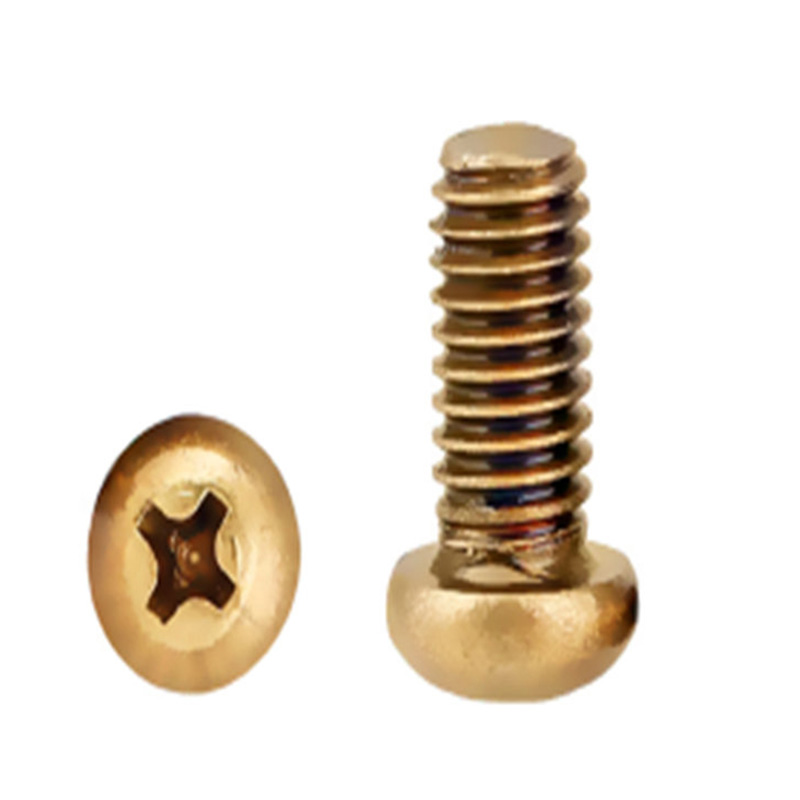
امروزه محصولات کوچکی وجود دارند که از عینک گرفته تا هواپیما مورد بی توجهی ما قرار می گیرند. پشت این ماشین آلات و رویاهای بزرگ بشر، آنها نمی توانند بدون چیزهای کوچک-پیچ ها کار کنند. و یک پیچ خوب را نمی توان از یک روش پردازش خوب جدا کرد، مانند پیچ های دقیق کوچک به اندازه 1.0 که در ابزار دقیق استفاده می شود، پیچ های بزرگ و بلند بسیار طولانی که در تجهیزات بادی یا حتی هواپیماها استفاده می شود. بنابراین، فرآیندهای تولید پیچ های کوچک دقیق چیست؟
پیچ های کوچک دقیق معمولاً نیاز به آبکاری دارند. ما می دانیم که این الکترونیکی
پیچ های دقیق بسیار کوچک هستند. آبکاری آبکاری نیز دشوار است! If the number is small, the electroplating factory may also mix precision screws of different specifications for electroplating, which makes some places unable to be electroplated. به راحتی می توان محصول را از بین برد. We must clean the precision screws before electroplating, and the cooperating electroplating factory can perfectly electroplate the precision screws.
-1.jpg)
پیچ های کوچک دقیق نباید در حین آبکاری با سفتی مطابقت داشته باشند که این امر بر کیفیت محصولات پیچ تأثیر می گذارد:
1. It is difficult to meet the quality requirements of various aspects of electroplating of different screws under the process conditions of conventional electroplating.
2. مشخصات پیچ های سخت افزاری خیلی نزدیک است، اندازه و طول به نظر می رسد یکسان است. پیچ های شش ضلعی بزرگ و خارجی باید به طور جداگانه آبکاری شوند. در غیر این صورت، زمانی که آبکاری خوب است، تقسیم آن آسان نیست، و انتخاب خوب نیست.
3. پیچ های سنگین تر و پیچ های سبک تر و پیچ های کوچکتر و پیچ های بزرگتر باید جداگانه آبکاری شوند. در غیر این صورت، ممکن است در طول فرآیند آبکاری با این دو مواجه شده و در نتیجه به پیچ ها آسیب وارد شود.
چهارم اینکه پیچ ها به راحتی به هم چسبانده می شوند و این دو باید برای آبکاری از هم جدا شوند. در غیر این صورت پیچ های دو مشخصات و مدل مختلف در حین آبکاری به هم چسبیده و به شکل یک توپ در می آیند. به راحتی منجر به شکست آبکاری می شود. حتی بعد از آبکاری هم جدا کردن این دو نوع پیچ برای ما مشکل است.
Thread cutting: generally refers to the method of machining threads on a workpiece with a shaped tool or abrasive tool, mainly including turning, milling, tapping, threading, grinding, grinding and whirlwind cutting. When turning, milling and grinding threads, the transmission chain of the machine tool ensures that the turning tool, milling cutter or grinding wheel moves along the axis of the workpiece accurately and uniformly for each revolution of the workpiece. When tapping or threading, the tool (tap or die) rotates relative to the workpiece, and the first formed thread groove guides the tool (or workpiece) to move axially.
Thread rolling: The processing method of plastically deforming the workpiece to obtain the thread with a forming rolling die is also commonly referred to in the industry as cold heading. The machines used in this production method are generally single-die machines, multi-station machines, and Screws produced by this method are faster in production speed and lower in cost. However, compared with the cutting process, the head and tail of the screw produced by this process are naturally formed, and the appearance is relatively round. به اندازه فرآیند برش تیز نیست و ظاهر زیبایی دارد.
هر روشی مزایای هر روشی را دارد. اگر چه فرآیند برش به سرعت هدینگ سرد نیست، اما دقت آن بیشتر از هدینگ سرد است. The cold heading process produces more and faster in quantity and speed, and lower cost, especially for the production of precision small screws. در آن زمان، فرآیند سرد کردن مقرون به صرفه تر از فرآیند تراشکاری است.






.jpg "مینی پیچ سر سوکت فولادی ضد زنگ با وصله نایلونی")
.jpg "میخ میخ های فلزی 10 میلی متری DIY پنجه طلایی برای کفش")
.jpg "میخ کریستال رنگارنگ میخ پرچ الماس استراس برای پوشاک")
.jpg "پرچ های دو طرفه برنجی با رنگ های مختلف برای چرم چمدان")